
 English
 Español
 Français
 Deutsch


An airless Cosmetic Bottle is designed to do more than store Skincare Products. It helps protect skincare formulas from unnecessary air exposure, supports hygienic dispensing, reduces product waste, and provides a convenient way to use serums, creams, lotions, and other Cosmetic Products. For skincare manufacturers, packaging is an important part of product quality because the container can influence formula stability, user experience, and product shelf appeal.
Many modern skincare formulas contain active ingredients that need careful protection during storage and daily use. Oxygen, repeated opening, moisture, dust, light, and direct contact can affect some formulas over time. An airless cosmetic bottle uses a special dispensing structure to reduce these risks. Instead of relying only on a traditional opening or dip tube, the airless cosmetic bottle uses a vacuum or piston system to move the skincare formula toward the Pump outlet.
Understanding how an airless cosmetic bottle protects skincare formulas can help Cosmetic Brands, private-label businesses, wholesalers, and packaging buyers choose a suitable container. The right airless cosmetic bottle should match the formula, viscosity, dosage, material, filling process, and product positioning.
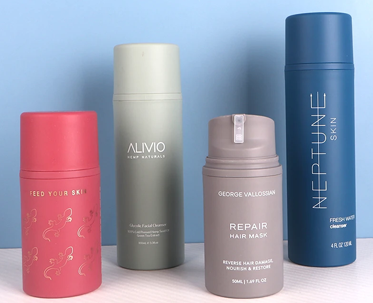
What Is an Airless Cosmetic Bottle?
An airless cosmetic bottle is a skincare packaging container that uses a vacuum-based dispensing mechanism. Most airless cosmetic bottle designs include an outer bottle, an inner product chamber, a movable piston or flexible inner structure, a pump head, and a protective cap. When the user presses the pump, the internal mechanism pushes the formula upward and releases it through the dispensing opening.
Unlike many Regular Cosmetic Bottles, an airless cosmetic bottle is designed to reduce the amount of air entering the product chamber during normal use. The user does not usually need to open the bottle or insert fingers into the formula. This structure helps create a cleaner and more controlled dispensing experience.
The airless cosmetic bottle is commonly used for facial serums, moisturizing creams, anti-aging products, eye creams, lotions, makeup primers, sun care products, and other skincare formulas. The packaging is especially useful when a product requires controlled dispensing or additional protection from the surrounding environment.
How Does an Airless Cosmetic Bottle Work?
The working principle of an airless cosmetic bottle is relatively simple. The skincare formula is filled into an internal chamber. When the pump head is pressed, the pump mechanism creates movement inside the container. A piston or similar internal component rises gradually, pushing the formula toward the pump outlet.
As the product is used, the internal piston continues to move upward. This helps reduce the empty space above the formula and limits the need for outside air to enter the product chamber. The airless cosmetic bottle therefore provides a different dispensing method from a standard bottle with a dip tube.
The exact structure varies between different airless cosmetic bottle models. Some designs use a bottom piston, while others use an inner bag or specialized vacuum system. The performance of the airless cosmetic bottle depends on the pump design, seal quality, formula viscosity, filling process, and manufacturing precision.
1. Reduced Exposure to Oxygen
One of the most important benefits of an airless cosmetic bottle is reduced exposure to oxygen. Some skincare ingredients can gradually change when they come into contact with air. Oxidation may affect the color, smell, texture, or performance of a formula. This is especially important for products containing sensitive active ingredients, botanical extracts, antioxidants, vitamins, and other carefully selected components.
A regular cosmetic bottle may allow air to enter each time the cap is opened or the product is dispensed. In comparison, an airless cosmetic bottle is designed to limit air exchange during normal use. The internal piston or vacuum structure moves the product forward without requiring the same amount of air to replace the used formula.
An airless cosmetic bottle cannot stop every possible chemical change. Formula stability also depends on ingredient selection, preservatives, pH value, storage temperature, light exposure, and manufacturing conditions. However, reducing unnecessary oxygen exposure can support a more stable packaging environment for suitable skincare formulas.
2. Better Protection for Sensitive Skincare Formulas
Many skincare products are developed around ingredients that require careful handling. A formula may contain plant extracts, peptides, antioxidants, moisturizing ingredients, or other active components. These ingredients may be sensitive to air, moisture, light, or repeated contamination.
An airless cosmetic bottle provides an additional layer of protection by limiting direct contact between the formula and the outside environment. This makes the airless cosmetic bottle a practical option for products that need a more protected dispensing system.
For example, a facial serum may be used several times a day over a period of weeks or months. If the formula is repeatedly exposed to air, the risk of unwanted changes may increase. An airless cosmetic bottle helps reduce this repeated exposure and supports more consistent product use.
Manufacturers should still conduct stability testing with the final formula and packaging combination. The airless cosmetic bottle must be tested under suitable temperature, humidity, transportation, and storage conditions before mass production.
3. Improved Hygiene During Daily Use
Hygiene is another major reason cosmetic brands choose an airless cosmetic bottle. Traditional cosmetic jars require users to open the lid and touch the product with their fingers or a spatula. This creates more opportunities for contact with dust, moisture, and external particles.
An airless cosmetic bottle allows the user to dispense the product by pressing the pump head. The formula remains inside the container, and the user does not need to place fingers directly into the product. This can provide a cleaner and more convenient experience for facial skincare and other personal care products.
An airless cosmetic bottle is especially useful for eye creams, facial moisturizers, treatment creams, and products used around sensitive areas. The pump system can help reduce direct contact and make the daily skincare process easier.
It is important to understand that an airless cosmetic bottle does not replace proper preservation. A cosmetic formula still needs suitable microbial testing, appropriate preservatives when required, hygienic filling, and correct storage instructions. The airless cosmetic bottle is one part of a complete product safety and quality system.
4. Controlled Product Dispensing
An airless cosmetic bottle can provide more controlled dispensing than a simple open-mouth container. Each pump is designed to release a measured amount of formula. The exact dosage depends on the pump output, formula thickness, and internal structure.
Controlled dispensing is useful for concentrated skincare products. For example, a facial serum may require only a small amount for each application. An airless cosmetic bottle can help users avoid pouring too much product onto their hands. This improves convenience and may reduce unnecessary consumption.
For creams and lotions, a suitable airless cosmetic bottle can also help provide a smooth and consistent product flow. The pump should be selected according to the formula viscosity. A pump designed for a thin lotion may not work well with a thick cream, so testing is necessary.
When selecting an airless cosmetic bottle, cosmetic manufacturers should evaluate pump output, pressing force, dispensing speed, product recovery, and the number of pumps required to start the system. These details can strongly influence the user experience.
5. Less Product Waste
Product waste is a common problem with some traditional Cosmetic Packaging. When a regular bottle is nearly empty, the remaining formula may stay at the bottom or along the inner wall. Consumers may need to shake the bottle, squeeze it, or open the container to remove the remaining product.
An airless cosmetic bottle uses a moving piston or similar mechanism to push the formula upward. This can help users access more of the product inside the container. Less leftover formula can improve customer satisfaction and provide better value for the purchase.
The actual product recovery rate depends on the airless cosmetic bottle design and the formula. Thick creams, sticky gels, and highly viscous products may require special internal structures. The bottle should be tested with the real formula rather than evaluated only with water or a thin sample.
Better product recovery can also support a more efficient use of raw materials. When less formula remains unused inside the container, the overall product experience may improve. However, product recovery should be confirmed through practical testing under normal consumer conditions.
6. Reduced Direct Contact with the Environment
Every time a cosmetic product is opened, the formula may come into contact with the surrounding environment. Dust, moisture, air, and repeated handling can affect some skincare products. An airless cosmetic bottle is designed to reduce this exposure by keeping the product inside a more closed dispensing system.
The pump head releases the formula through a small outlet. The user does not need to remove a large lid or expose the entire product surface. This can help reduce unnecessary contact during daily use.
The protective cap of an airless cosmetic bottle can also help keep the pump area cleaner between applications. The cap design should provide a suitable fit and should be tested for sealing, transportation, and repeated opening and closing.
7. Suitable for Serums, Creams, and Lotions
An airless cosmetic bottle is suitable for many types of skincare formulas. The most common applications include facial serums, moisturizing lotions, facial creams, eye creams, anti-aging products, makeup primers, and body care products.
For facial serums, the airless cosmetic bottle can provide controlled dispensing and reduced air exposure. For moisturizing creams, the airless cosmetic bottle can help protect the formula and make application more convenient. For lotions, the pump can provide a smooth output when the pump structure matches the product viscosity.
An airless cosmetic bottle may also be suitable for:
Hydrating skincare products
Brightening creams
Anti-aging serums
Eye care products
Repair creams
Hand creams
Body lotions
Sun care formulas
Makeup base products
Professional beauty treatments
Not every formula is automatically compatible with every airless cosmetic bottle. The formula’s viscosity, oil content, alcohol content, pH, active ingredients, and storage conditions should be considered before the packaging is approved.
8. Flexible Material Choices
The material of an airless cosmetic bottle influences appearance, durability, chemical compatibility, and production cost. Common cosmetic packaging materials include PP, PET, AS, and other plastics. Each material has different properties and should be selected according to the product’s requirements.
PP is often used for cosmetic packaging components because it can provide good chemical resistance and flexibility. PET may be selected for its appearance, strength, and packaging performance. AS is commonly used when a clear or premium visual effect is required. The correct material depends on the complete packaging design.
Cosmetic manufacturers should test the airless cosmetic bottle with the actual formula for leakage, stress cracking, color change, swelling, odor transfer, and long-term compatibility. Material selection should not be based only on price or appearance.
9. Attractive and Professional Appearance
An airless cosmetic bottle can support a clean and professional product image. Its structured shape, smooth surface, and pump design are suitable for modern skincare packaging. The appearance can be adapted to different market positions, from everyday personal care to premium facial treatment products.
Airless cosmetic Bottle Packaging can be customized in different capacities, colors, shapes, and surface finishes. Cosmetic brands may choose glossy, matte, frosted, transparent, metallic, or colored effects according to their product identity.
Additional decoration options may include silk-screen printing, hot stamping, electroplating, frosting, and other surface treatments. These processes can help create a consistent appearance across a skincare product range.
A well-designed airless cosmetic bottle can improve shelf presentation and make the product easier to recognize. Packaging appearance does not replace formula quality, but it can contribute to the overall customer experience and brand communication.
10. Support for OEM and ODM Cosmetic Packaging
An airless cosmetic bottle is a practical choice for OEM and ODM cosmetic projects. Different brands may need different bottle capacities, pump outputs, colors, decorations, and closure designs. A professional packaging supplier can help match these requirements with a suitable airless cosmetic bottle structure.
OEM and ODM services may include new mold development, product design, color matching, sample production, pump matching, printing, hot stamping, electroplating, frosting, and mass production. Sample testing is essential because the final airless cosmetic bottle must work correctly with the customer’s formula and filling process.
Yuyao Dingyu Plastic Industry Co., Ltd. is a cosmetic packaging manufacturer located in Yuyao, Ningbo, Zhejiang, China. The company specializes in airless Cosmetic Bottles, lotion bottles, perfume bottles, PET bottles, and other beauty packaging products.
The company provides customized OEM and ODM packaging solutions based on customer drawings, samples, and product requirements. Its services include new mold development, color matching, silk-screen printing, hot stamping, electroplating, frosting, and other surface finishing options. Matching pump heads and samples are available for evaluation.
With in-house manufacturing equipment, mold development workshops, testing instruments, and production quality control, Yuyao Dingyu supports customers from packaging development and sample approval to mass production and delivery.
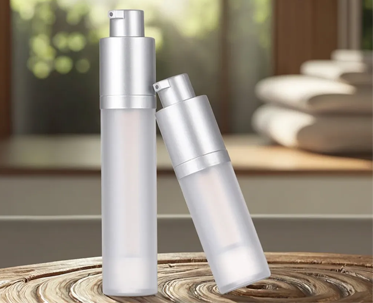
How to Select the Right Airless Cosmetic Bottle
Choosing the right airless cosmetic bottle requires more than selecting a preferred appearance. The first consideration is formula compatibility. The supplier should understand whether the product is a thin serum, medium-viscosity lotion, thick cream, gel, or another skincare formula.
The second consideration is pump output. A small pump output may be suitable for eye creams or concentrated serums, while a larger output may be more convenient for body lotions. The pump should release the right amount without excessive pressing force or inconsistent flow.
The third consideration is Bottle Capacity. Small airless cosmetic bottles may be suitable for trial products, travel packaging, and concentrated skincare. Medium and large sizes may be more suitable for regular retail products and body care formulas.
The fourth consideration is sealing and transportation performance. The airless cosmetic bottle should be tested for leakage, pressure changes, vibration, impact, and repeated use. This is particularly important for products shipped over long distances.
The fifth consideration is customization. Buyers should confirm bottle color, printing, surface finish, pump head, cap design, mold requirements, sample approval, minimum order quantity, packaging method, and delivery schedule before placing a mass order.
Common Questions About Airless Cosmetic Bottles
Can an airless cosmetic bottle protect all skincare formulas?
No packaging can protect every formula under every condition. An airless cosmetic bottle can reduce air exposure and support hygienic dispensing, but formula stability also depends on ingredients, preservatives, storage, light, temperature, and manufacturing quality.
Is an airless cosmetic bottle suitable for facial serum?
Yes. An airless cosmetic bottle is often suitable for facial serums because it provides controlled dispensing and can reduce repeated air exposure. The pump must be matched with the serum viscosity and dosage requirements.
Can thick creams be filled into an airless cosmetic bottle?
Many airless cosmetic bottle models can be used for thick creams, but the pump and piston structure must be suitable. Testing should confirm smooth dispensing, product recovery, and reliable operation.
Does an airless cosmetic bottle eliminate the need for preservatives?
No. An airless cosmetic bottle can help reduce environmental exposure, but it does not automatically make a formula self-preserving. The product still requires appropriate formulation and microbial safety testing.
Can an airless cosmetic bottle be customized?
Yes. An airless cosmetic bottle can often be customized in capacity, shape, color, pump style, printing, hot stamping, electroplating, frosting, and other surface finishes.
Conclusion
An airless cosmetic bottle protects skincare formulas through several important design advantages. It helps reduce air exposure, limits direct contact with the environment, supports hygienic dispensing, controls product dosage, and can reduce leftover formula. These benefits make the airless cosmetic bottle a useful packaging option for serums, creams, lotions, eye care products, and other skincare formulas.
The best airless cosmetic bottle should be selected according to formula viscosity, ingredient sensitivity, material compatibility, pump output, bottle capacity, filling method, transportation conditions, and target market. Practical testing is necessary to confirm that the packaging works correctly with the final cosmetic formula.
For cosmetic brands and wholesalers seeking customized airless cosmetic bottles, Yuyao Dingyu Plastic Industry Co., Ltd. provides packaging solutions covering mold development, color matching, surface decoration, pump matching, sample evaluation, quality control, and mass production delivery.
SEO Description: Learn how an airless cosmetic bottle protects skincare formulas through reduced air exposure, hygienic dispensing, controlled dosage, less product waste, and improved packaging performance for serums, creams, lotions, and other skincare products.



 왓츠앱
왓츠앱 핸드폰
핸드폰 이메일
이메일 메시지
메시지
논평
(0)